
How to Eat Healthier When You Don't Have Time to Cook
RM
You want to eat healthier. Maybe you even love good food.
But at the end of a long day, deciding what to make, chopping vegetables, standing over the stove and cleaning several pans may be about the last thing you feel like doing.
So you order something. Heat up what's easiest. Make the same quick meal again. Or cook anyway and wonder why eating well seems to require so much time and energy. If that sounds familiar, I don't think the first question is:
“What should I cook?”
There are already thousands of quick and healthy recipes available. A more useful question may be: What part of cooking is making healthy eating difficult for me? Because once you know that, you can start solving the right problem.
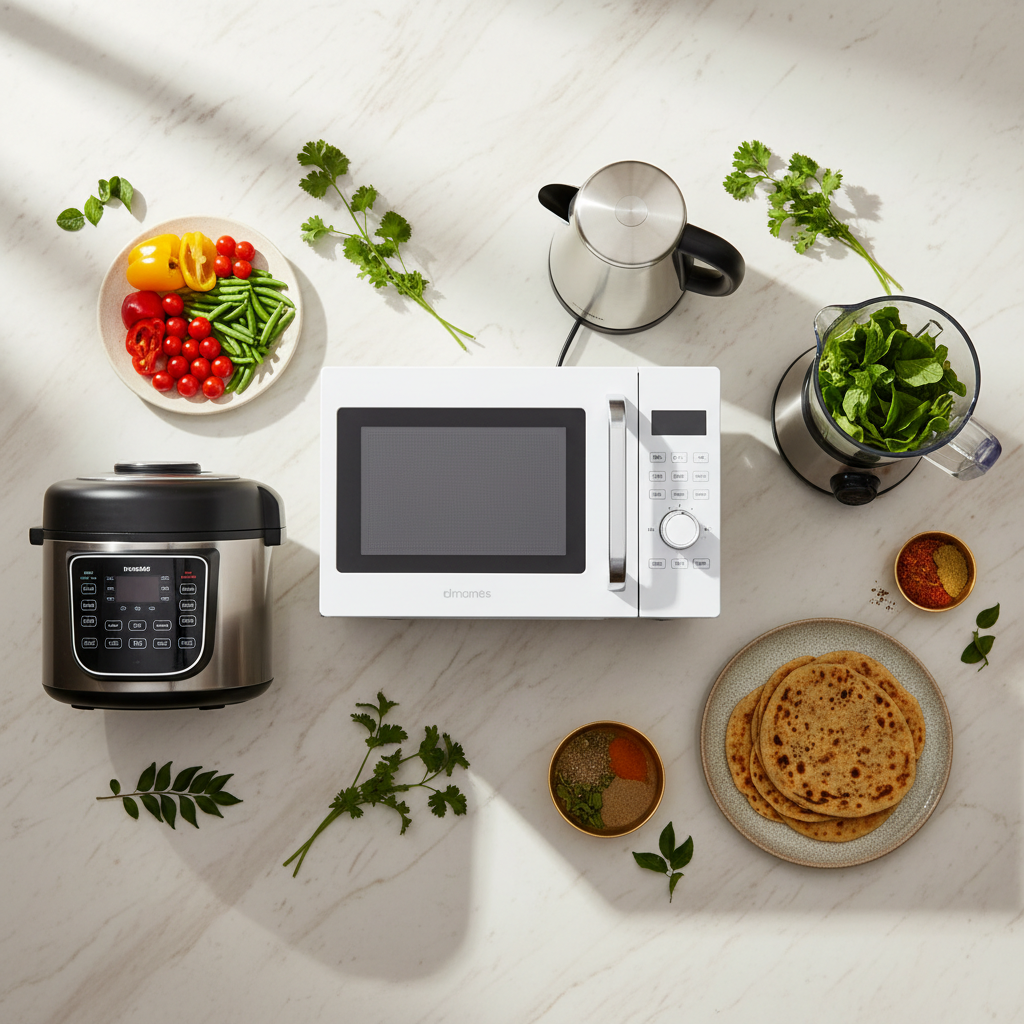
First, figure out what is actually making cooking hard
Think about a normal weekday evening. What happens between thinking “I need something to eat” and actually sitting down with a meal? Maybe the problem is time. Or you don't mind cooking, but you don't want to spend 45 minutes doing it after work. For some it's the mental load. You have ingredients in the refrigerator, but figuring out what to make with them feels like one more decision you don't want to make. For someone else it's prep. Washing, peeling, chopping, measuring and getting everything ready takes more energy than the actual cooking. Maybe it's monitoring. You don't want to stand at the stove stirring something while simultaneously watching another pot. Maybe it's cleanup. (for me it is).
Or maybe you simply don't want to cook every day.
Those are different problems, and they don't necessarily need the same solution.
What are you doing now?
Before buying another kitchen appliance or downloading another meal plan, look at what you're already using to make life easier.
Do you:
- order takeout when you're tired?
- meal prep on weekends?
- use frozen or pre-cut vegetables?
- rely on an air fryer or slow cooker?
- buy meal kits or prepared foods?
- batch cook and freeze portions?
- have a collection of 15-minute recipes?
- cook from scratch anyway, even when you don't really have the energy?
Now ask a more important question:
How well is that actually working for you?
If you've found a system that gets food you enjoy onto the table without taking more time or energy than you want to give it, that's a good system. You don't need to change it because somebody on the internet says you should.
But if you regularly find yourself thinking: "I want to eat better, but I can't face cooking tonight", or "I wish we ate more homemade food, but I don't have time for all that prep." Then it may be worth looking beyond another collection of quick recipes.

What would change if cooking required less of you?
This is the question I find much more interesting. Imagine that making dinner still took 30 minutes from beginning to end, but you only had to actively work for 10 of those minutes. How would that feel different?
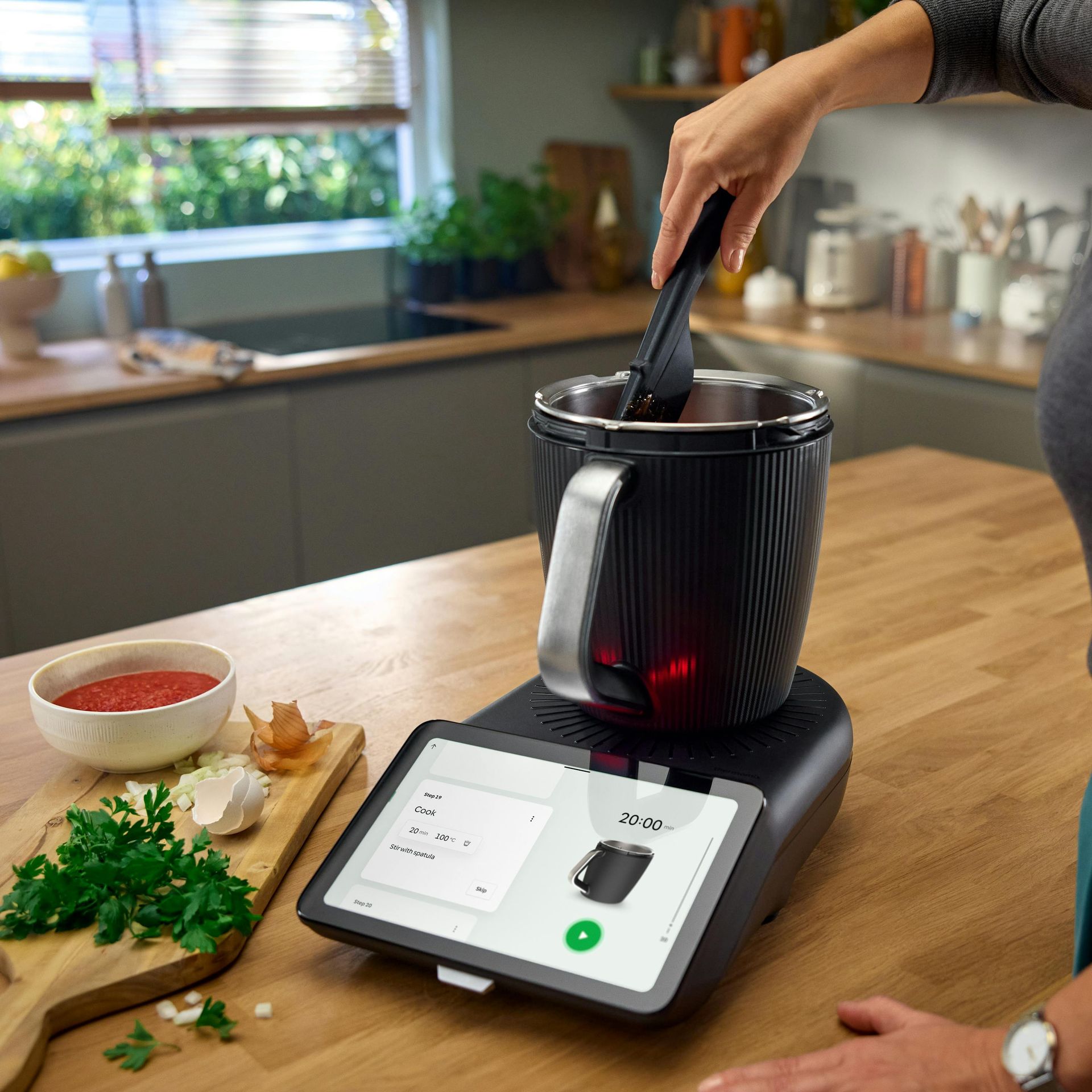
What if something else could chop the onions, weigh the ingredients, control the temperature and stir the sauce while you changed clothes, helped your kids, answered an email or simply sat down for a few minutes? Would you cook from scratch more often? Would eating more vegetables, beans, lentils or whole foods become easier? Would you order takeout less frequently? Would you try more new foods? Would cooking perhaps become more enjoyable if you could choose which parts of it you actually wanted to do? This is an important distinction:
Cooking time and your time are not necessarily the same thing.
A meal may take 40 minutes to cook without requiring 40 minutes of your attention. And for a busy person, reducing hands-on time can sometimes matter more than shaving another five minutes off the total recipe.
You don't have to make everything from scratch
I love cooking from scratch. I like knowing what's in my food, adjusting it to the way I eat and discovering that things I once automatically bought can be surprisingly simple to make myself.
But I don't believe healthy eating requires making absolutely everything yourself. There is no prize for making your own mustard on a Tuesday night when buying a jar of mustard makes your life easier. Frozen vegetables can be brilliant. Canned beans are incredibly useful. Pre-washed greens can make the difference between eating a salad and watching the lettuce you meant to wash slowly die in the refrigerator. Prepared foods, meal kits and takeout can all have a place in a healthy life. The goal isn't to prove how much you can do yourself. The goal is to create a way of eating that you can actually live with and enjoy.
Meal prep can help, but it isn't the only answer
One common solution to being too busy to cook is meal prep. For some people, spending a few hours on Sunday preparing meals for the week works beautifully.
For others, giving up half of Sunday so they can avoid cooking Tuesday doesn't feel like much of a solution. There are alternatives. You can prepare components instead of complete meals. Cook a grain, make a sauce, wash vegetables or prepare a protein that can become several different meals.
You can intentionally cook enough for leftovers. You can keep a freezer stocked with ingredients that don't require much preparation. And you can use kitchen tools that reduce the amount of active work required while food is cooking.
Which kitchen tools actually reduce the work?
Different appliances solve different problems. An air fryer can make roasting and crisping foods fast and relatively hands-off. A slow cooker can be wonderful when you want to put ingredients together earlier in the day and come back to a cooked meal. A pressure cooker can dramatically reduce the cooking time of foods that normally take much longer.
A good blender or food processor can eliminate a lot of manual chopping, blending and puréeing. None of those is universally “best.” The useful question might be:
Which part of cooking do you most want help with?
And there is another category worth considering: an all-in-one cooking device.

What does an all-in-one cooking device change?
Instead of having one appliance that chops and another that cooks, an all-in-one cooking device combines multiple cooking tasks.
This is where a Thermomix® TM7 fits. I'm Rebecca McCaigue, an Independent Thermomix® Consultant based in Milwaukee, Wisconsin. I've used Thermomix for more than 10 years, starting with my TM5 in 2014, then the TM6 and now the TM7.
What continues to matter most to me isn't simply the number of functions it has. It's the number of little cooking jobs I can hand over to it.
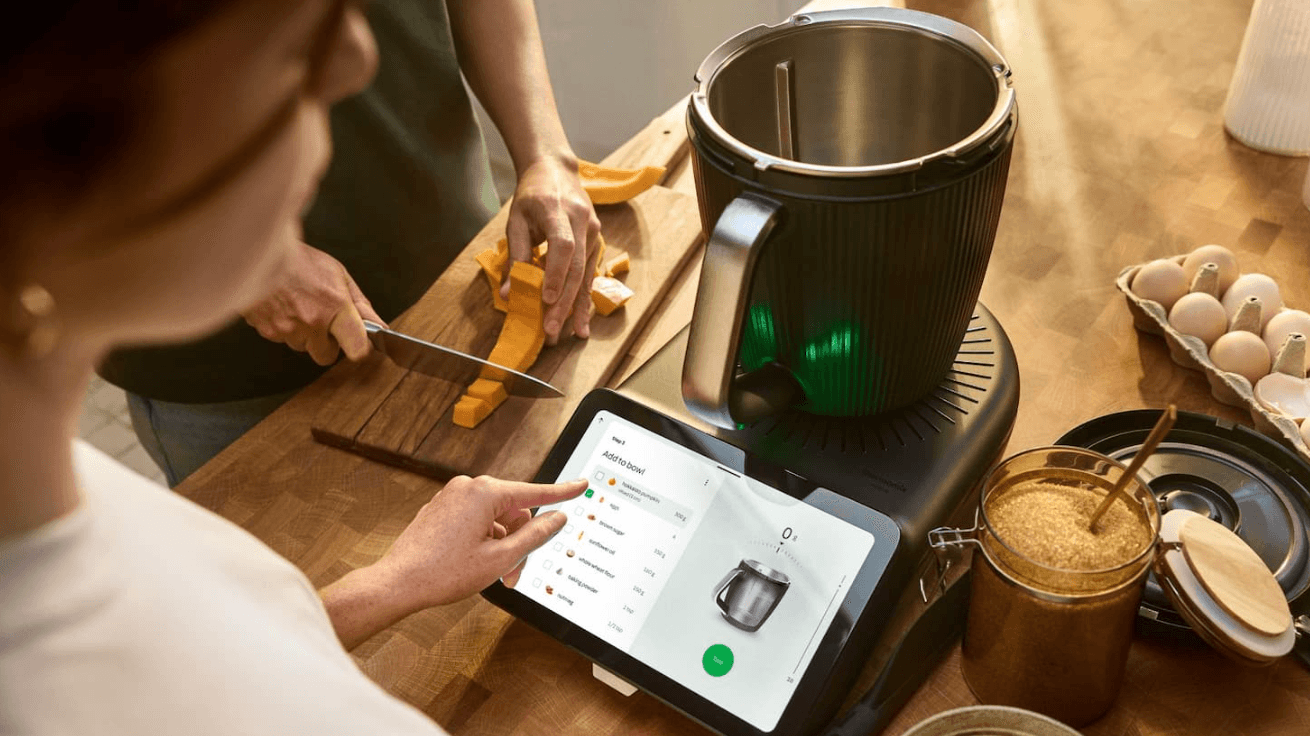
What continues to matter most to me isn't simply the number of functions it has. It's the number of little cooking jobs I can hand over to it. (And my favorite is pre-clean). It can weigh ingredients directly into the mixing bowl, chop, blend, grind, knead, mix, heat, cook, stir and steam. Cookidoo® adds Guided Cooking for those days when deciding what to make or remembering the next step is part of the problem.
That doesn't mean you stop cooking. You still buy ingredients. You still put them into the bowl. Some recipes require steps along the way. You still have cleanup - but less. And if you love standing at the stove and doing every part of the cooking process yourself, you may not need another device to do those things for you.
But if the parts you dislike are chopping, measuring, stirring, monitoring temperatures, coordinating several cooking processes or deciding what to make, an all-in-one device can change how much attention a meal requires from you.
Thermomix isn't the answer if it sits in your closet
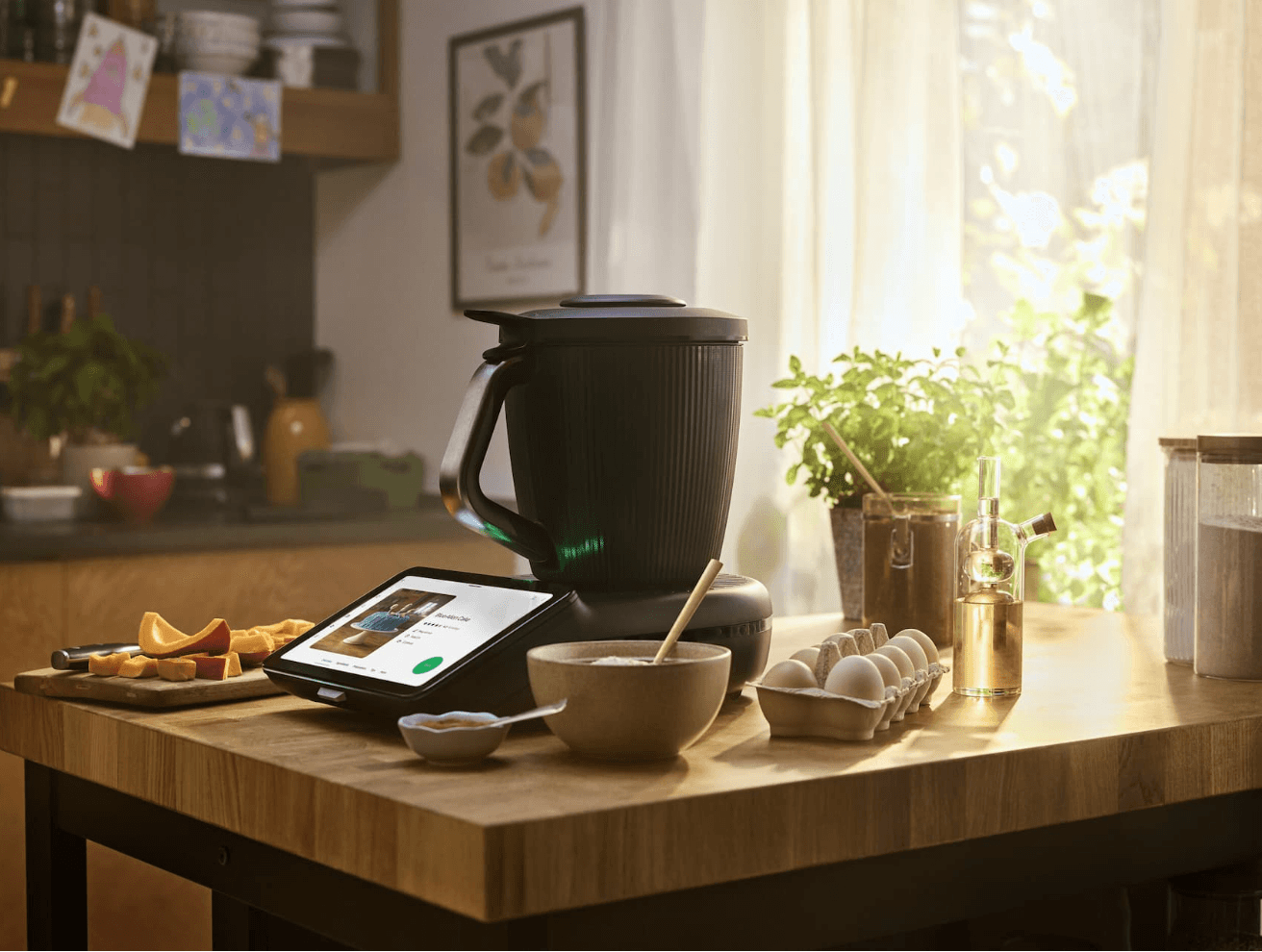
This matters enough to say plainly: A Thermomix sitting in your closet saves you exactly $0 and exactly zero minutes. Buying another kitchen device doesn't automatically change the way you eat. The value comes from using it for the things that actually create friction in your life. For one person, that may be making dinner. For another, it's soup, bread dough, sauces or breakfast.
For someone eating plant-based, it might be hummus, lentil dishes, plant milks, nut and seed butters, wraps, curries or preparing beans, grains and vegetables. And for someone who already loves cooking, the value may simply be handing over repetitive jobs while they concentrate on the parts they enjoy.
For the busy mom with younger children it would be the time she saves as well as sneaking in nutritious whole foods into the mac'n'cheese. For the athlete it might be meeting your macros more easily. For the unorganized person it might be finding recipes for the food that happen to be in the fridge. That's also why I don't think the question is simply:
“Is Thermomix worth it?”
A more helpful question is:
“Would I use it enough, for the way I actually eat, to make a meaningful difference in my kitchen?”
I explored that question in more detail in my article: Is the Thermomix® TM7 Worth It?
What happens if nothing changes?
Maybe nothing dramatic.
You continue using the system you have now.
But if that system repeatedly leaves you too tired to cook, spending more than you'd like on convenience, throwing away ingredients you intended to use, or eating differently from how you actually want to eat, it may be worth asking whether the solution is really another recipe.
Perhaps what needs to change is how much of the process requires you.
And that's something you can test.
Don't take my word for it. Cook with one.
I'm not only a Thermomix® user who loves the product because it changed how I cook, eat and feel. I loved what it brought into my own life so much that I eventually became an Independent Thermomix® Consultant.
I'm based in Milwaukee, Wisconsin, and I offer personalized Thermomix® Cooking Experiences in Milwaukee and Southeastern Wisconsin, as well as online across the USA.
Rather than demonstrating a collection of impressive functions you may never use, I want to understand how you actually eat and what currently makes cooking difficult for you.
What do you make now? What do you wish you made more often? What have you tried? Which parts of cooking take too much time or energy?
Then we can cook together and look at which parts of your current routine the Thermomix TM7 could realistically take over, and which parts it wouldn't.That gives you something much more useful: your own answer to whether it would make cooking easier for you.
Explore a personalized Thermomix® Cooking Experience
If you're already considering a TM7 and want to understand the current purchase options, I keep those separately so this article stays useful even when promotions change: